
Episode Summary
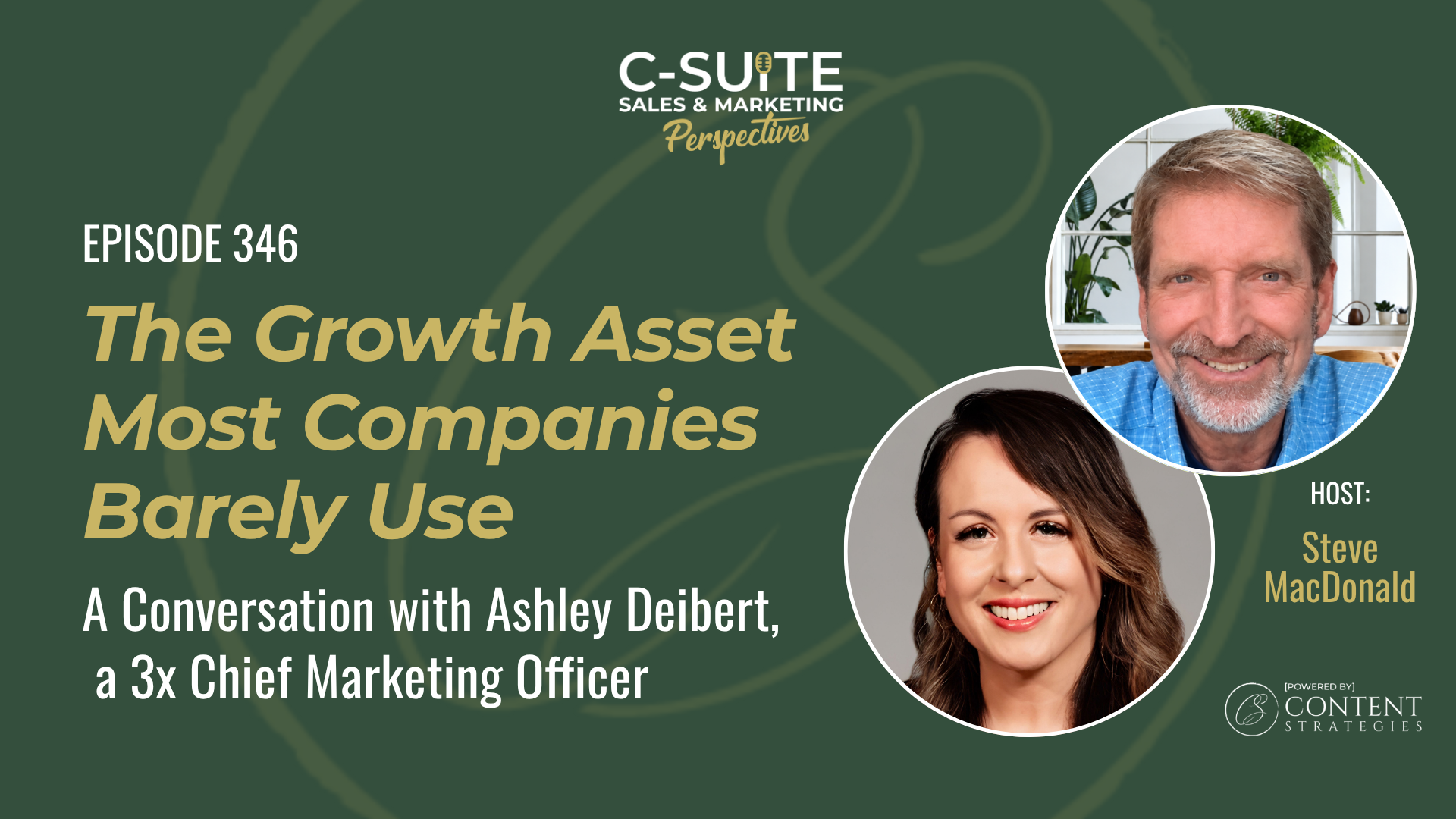
Rebecca Welsher Kaplan, Chief Marketing Officer at Slice Merchant Services, explains why trust, customer obsession, and empowered employees have become the real competitive advantage in modern B2B growth. She explores how AI, personalization, and strong relationships work together to build lasting customer loyalty. The companies that consistently prioritize people alongside technology will earn stronger brands and sustainable growth.
Highlights
Introduction
YouTube Short
Episode Q&A Videos
3:49 | Predict Customer Needs Before Competitors Recognize Them
"When you are really allowed to listen to your customers, hear what the problem is, and solve that problem, you begin to see significant thematic issues. Then, when you communicate that solution to your whole customer base, you're predicting that the need is going to be multiplied before it becomes an actual issue."
3:34 | Trusted Relationships Outperform Price In Modern B2B Markets
"Everyone was aligned to solve the same problem at the same time. Empowering your teams, whether large or small, to make those decisions quickly on behalf of your customers is what separates someone good from someone who's great."
2:52 | Personalization Begins With Recognizing Common Customer Patterns
"It really comes down to what we see the need being at a top level for everyone, then segmenting and personalizing for different companies while making one broad idea feel highly personal and highly important at an individual level."
3:31 | AI Investment Demands Smarter Long-Term Customer Value
"AI is vital to scale and speed to get our customers what it is they need. What is now emerging is the unbelievable expense of standing up AI. It is not a technology right now that is without cost, and organizations need to understand both sides of that equation."
3:02 | Empowered Employees Create Stronger Customer Relationships
"If we empower every person who has the opportunity to speak to a customer with the ability to make the right decision, you have to trust that the right decision will be made, because people genuinely want to do the right thing."
1:23 | Human-Centered Marketing Builds Stronger Brand Value
"It really comes down to the golden rule and operating in a way that you can be proud of, and your customers can be proud of. The long-term benefit of that is higher brand equity and stronger brand sentiment from your clients."
Key Takeaways

Trust Drives Modern B2B Decisions
Trust increasingly outweighs price, helping businesses win complex purchasing decisions through stronger credibility and lasting relationships.

Customer Obsession Builds Lasting Growth
Customer obsession strengthens advocacy, increases loyalty, and creates sustainable business growth through consistently exceptional customer experiences.

Empowered Employees Strengthen Customer Loyalty
Empowered employees deliver better customer experiences, reinforcing loyalty, trust, and a stronger long-term brand reputation.

About Rebecca
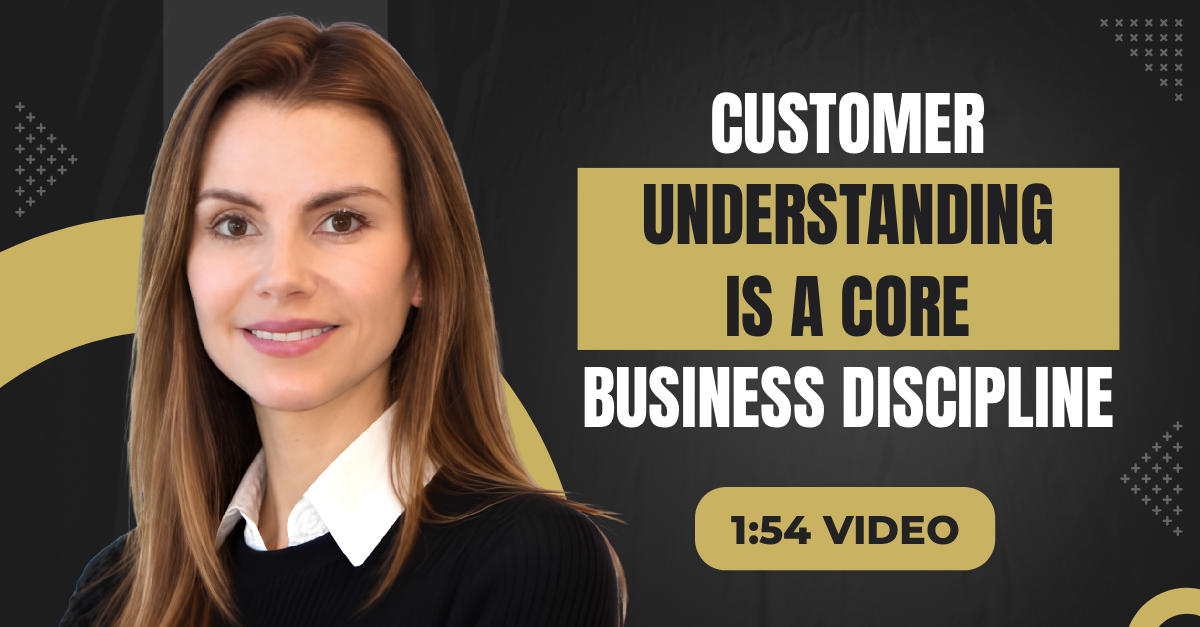
Rebecca Welsher Kaplan
Rebecca Welsher Kaplan is the Chief Marketing Officer at Slice Merchant Services, where she leads brand strategy and marketing for a technology company serving small and medium-sized businesses. Previously, she spent approximately 15 years leading digital marketing for Four Seasons Hotels and Resorts, helping shape one of the world's most recognized luxury brands. Drawing on experience across hospitality and fintech, she focuses on building brand trust, anticipating customer needs, and creating long-term, sustainable growth through customer-first leadership and meaningful market differentiation.
From the Guest
.........................................................................................................................................................................................
Full Episode Article
Title: "Why Soft B2B Advantages Are Reshaping B2B Growth"
This article is based on an interview with Rebecca Welsher Kaplan, Chief Marketing Officer at Slice Merchant Services
Introduction
Artificial intelligence is accelerating innovation across nearly every industry. Product features that once created lasting competitive advantages can now be replicated faster than ever. As a result, many B2B leaders are asking what truly separates one company from another. Rebecca Welsher Kaplan believes the answer is not found in technology alone.
Drawing from experience across investment banking, Google, luxury hospitality, and financial technology, she explains that sustainable growth comes from combining innovation with trust, personalization, and meaningful customer relationships. While AI can improve efficiency and product capabilities, organizations that consistently create positive customer experiences will earn long-term loyalty and stronger brand equity.
Technology Creates Opportunity. Relationships Create Lasting Preference
Rebecca makes it clear that technology remains essential for business growth. Organizations need innovative products, modern platforms, and AI capabilities to remain competitive. She also believes technology alone is no longer enough to differentiate one company from another. Buyers expect strong products. They expect innovation. Those capabilities have become the baseline rather than the deciding factor. As technology continues to evolve, businesses must recognize that customers are evaluating far more than features. They are evaluating the overall experience of working with a company before, during, and after a purchase.
Rebecca explains, “It is not enough anymore to be the cheapest and the fastest.” Customer expectations continue to evolve alongside technology, making price and speed less sustainable as competitive advantages. Companies inevitably encounter problems, whether they involve products, service, or unexpected situations. What customers remember is not the mistake itself but how it was handled. Rebecca reinforces this idea by saying, “It is how you react to the problem and how you solve that problem for your customer that’s going to make them a brand ambassador for you.” Those positive experiences become recommendations that influence future buyers long before they begin comparing vendors.
Customer Obsession Starts Before Customers Ask
Rebecca believes that customer obsession is often misunderstood. Many organizations collect feedback, conduct surveys, and speak with customers regularly. While those activities are valuable, they represent only the starting point. Truly customer-focused organizations look beyond individual requests and search for recurring themes that reveal broader opportunities. Instead of solving isolated problems, they identify patterns that can benefit entire groups of customers. This allows innovation to become proactive rather than reactive.
Rebecca explains that “There are four or five themes that any business owner would need.” Those common needs become the foundation for scalable solutions that still feel highly personalized. Rather than creating technology for technology’s sake, organizations should develop products that solve meaningful customer challenges before they become widespread. She also emphasizes that buying decisions often happen much earlier than companies realize. Existing customers, peer recommendations, and trusted relationships shape vendor shortlists long before prospects begin researching online. Organizations that consistently listen, communicate, and improve based on customer feedback position themselves to be included in those conversations from the beginning.
Empowered Employees Build Stronger Brands Every Day
Technology does not interact with customers on its own. Every employee who answers a question, solves a problem, or responds to an unexpected issue contributes to the overall customer experience. Rebecca believes empowering employees to make thoughtful decisions creates stronger relationships and reinforces trust throughout the organization. Instead of relying on rigid processes that slow problem resolution, leaders should create cultures where employees are trusted to act in the customer’s best interest.
Rebecca says, “If we empower every person who has the opportunity to speak to a customer with the ability to make the right decision, you have to trust that the right decision will be made.” She also believes this approach reflects the Golden Rule by treating customers the way every organization would want to be treated themselves. Employees who feel trusted are more likely to create memorable customer experiences that strengthen loyalty and improve brand perception. Over time, these daily interactions become one of the strongest competitive advantages a business can develop because they create emotional connections that competitors cannot easily duplicate.
Conclusion
Rebecca Welsher Kaplan’s perspective demonstrates that the future of B2B growth will be shaped by organizations that balance technological innovation with genuine human connection. AI will continue transforming products, operations, and customer experiences, but it cannot replace trust, empathy, or authentic relationships. Those qualities remain the foundation of lasting competitive advantage.
As Rebecca concludes, “There is never one solution, there is never one channel, and there is no one right way to build a successful marketing campaign or branding practice.” Every organization must understand who its customers are, what they value, and how every employee contributes to that experience. Businesses that combine customer obsession, empowered teams, and meaningful innovation will build stronger brands, earn lasting loyalty, and create sustainable growth that extends well beyond the next product release.
ELEVATING CONTENT MARKETING STANDARDS RAISES A CRUCIAL QUESTION:
Why shouldn’t the very act of creating thought leadership content also spark new conversations with in-pipeline deals, top prospects, and high-priority customers for revenue expansion? Or serve as the cornerstone for learning and applying voice-of-customer strategies? That’s the power of ABM Podcasting—engaging B2B buyers and customers in meaningful conversations that uncover essential go-to-market insights, support long sales cycles, reinforce your market perspective, build peer-level trust, and dismantle objections that kill deals.
Steven MacDonald
Steven MacDonald is the founder of Content Strategies, CEO of a MarTech SaaS Company, fractional CMO consulting with leading B2B companies and former Director of Strategy and Client Service at top ten digital marketing agencies.
Steven MacDonald
Steven MacDonald is the founder of Content Strategies, CEO of a MarTech SaaS Company, fractional CMO consulting with leading B2B companies and former Director of Strategy and Client Service at top ten digital marketing agencies.