
How Shared Team Compensation Drives Alignment and Pipeline Growth
Shared compensation across content marketing, demand generation, and business development teams transforms marketing into a revenue-driving force focused on pipeline creation.
In this interview, Acrolinx’s VP of Revenue Marketing, Mariana Just, emphasizes the importance of team collaboration in today’s complex business landscape. Acrolinx prioritizes pipeline opportunities and aligns the objectives of content marketing, demand generation, and business development teams. Acrolinx’s revenue marketing model focuses on the entire sales funnel, with BDRs playing a crucial role in pipeline development. This collaborative approach integrates content marketing and data-driven insights to identify prospects and optimize demand-generation campaigns.

Mariana Just, VP of Revenue Marketing
Mariana Just explains how marketing needs to contribute to revenue and how they have an all-hands-on approach to creating pipeline opportunities that go further into the funnel – beyond lead generation and the typical MQL qualification. Her point of view is that there’s no demand generation without content marketing, and that everything they spend as a company on demand generation ends up on the desk of the BDR team—thus creating the need for ultimate alignment between these teams.
Learn all about the Acrolinx success model that is attributed to its shared compensation structure, aligned goals, and culture of collaboration, which transforms marketing into a revenue-creating machine. Mariana answers all these questions below and many more.
- How do you create the ultimate alignment between teams?
- What is your perspective on the team’s roles around MQLs?
- Is there a feedback loop on successful content creation and driving pipeline?
- How is marketing and pipeline penetration handled differently than at other companies?
- What is the biggest difference between a focus on MQL vs. pipeline?
- How do you define the role of the BDR team within pipeline development?
- What is the overall takeaway that you want to leave us with today?
What is the thinking behind aligning internal teams through shared compensation and goals?
Mariana Just: Hi, Steve. Really great to be here. I am the VP of Revenue Marketing here at Acrolinx. We are an AI-powered content governance platform. I lead the global team of demand gen marketers, BDRs.
Steve MacDonald: Fantastic. Let’s get right into the meat of the conversation here. You’ve got a structure where you’re aligning content marketing, demand generation, and the BDR team altogether with common goals and shared compensation. Can you explain a little bit about what that is and what the thinking is behind it?
Mariana Just: Yeah, definitely. So when I arrived at Acrolinx a little over five years ago, we had dispersed and siloed teams going in different directions and with different goals.
What we saw is that the marketing contribution to revenue was essentially zero. And I came in quickly and started building the funnel. And what we saw along the way is that the BDR team is crucial to the success of the demand team. Everything that we spend on demand gen ends up in the desk of the BDR team by way of an outbound lead, if we’re using something like ZoomInfo to help build lists, or demand gen campaigns for that inbound lead process.
And while the content marketing team sits within marketing, they are not within my team. However, we are very aligned because, essentially, we are consumers of that content, right? So, the team needs to be super aligned. There’s no demand gen without content marketing.
Marketing contributes to revenue creation. And so here at Acrolinx, we have this all-hands-on-deck approach to generating pipeline. My CMO is Chief Pipeline Officer. So the point is for revenue marketing to go much further into the funnel beyond lead generation, beyond demand generation.
So we’re looking at things like we need X pipeline by the end of the quarter or by the end of the year, and here’s everything that we need to do in order to get there. How does the demand gen campaign team come into that equation? How does the BDR team come into that equation? So it’s a very aligned relationship with sales as well.
It depends on, on your company, right? The fact that sales leadership and marketing leadership are very aligned here is special. And I think it’s unique to us, and it has really worked in our case.
How do you create the ultimate alignment between teams?
Steve MacDonald: So please tell me a little bit about just the mechanics. When you say that there is alignment and that there is shared compensation, how does that work?
Because compensation’s a big motivator, right? Tell us a little bit about how you’re using that to align the teams behind these goals.
Mariana Just: Yeah. I have to say that when I started in marketing, having done demand gen my whole life…when I got the opportunity to become the leader of the BDR team, I had an immense opportunity at my fingertips, but I had no idea what I was doing.
So I did a lot of research. Trish Bertuzzi is one that I read her book on: The Sales Development Playbook. I have other leaders in the industry that I follow, and one of the things that kept coming up is in order to build that alignment, you need to have shared goals. And that means a shared compensation structure as well.
We all have a base salary, and we have a variable comp as part of our salary plan. And that is, guess what? It’s not about how many MQLs we are bringing, it’s how many pipeline opportunities we are bringing into the funnel. So we’re not even getting compensated on meeting schedules. We are compensated strictly on that first-stage opportunity, which we call an interest confirmed here at Acrolinx.
It has a number of qualification criteria associated with it, and that’s where that handoff really happens. And then, it moves on to discovery with price and additional discovery, opportunity, and information. And by the way, we don’t have control over those KPIs, that is the sales team.
How to qualify lead conversations in What is your perspective on the team’s roles around MQLs?
Mariana Just: So it’s incumbent on the demand team and on the BDR team to be providing a really great product, which is, at the end of the day, high sending quality MQLs to that BDR’s desk so that they can call and schedule. So the fact that we created 1,500 MQLs or 10,000 MQLs means absolutely nothing here at Acrolinx.
Nobody really cares about it. Nobody’s comped on it. So, at the end of the day, it’s really about how we are aligning both teams in that end goal.
Steve MacDonald: So nobody’s comped on MQLs. It’s this interest-confirmed lead that you’re talking about. But if you could take me back, so now I’m sitting in content creation or demand creation, and part of my compensation is based on the BDR team’s performance in ultimately creating an interest-confirmed lead, right?
Mariana Just: Correct.
Steve MacDonald: So how has that changed the mindset? Talk about, maybe, the mindset in content creation or demand generation and what they’re thinking differently and what they’re doing differently based on this alignment.
Mariana Just: Yeah. One of the main things that the content team did that I think has worked really well for us as the consumer and distributor of that content is about a year and a half ago, maybe two years ago, they changed their strategy a bit around this thematic approach.
So we’ve got that main theme and then accompanying content pieces, whether that’s a blog post or an email campaign. And so what they’ve done as well is to create what we call a message platform to help us position and talk about that content. One of the most important things to enable the BDRs is how you’re following up on leads that have shown intent.
Here’s what content they care about, and here’s how you can talk about that content when you are in a conversation with them. So that follow-up process is really important. It’s not like, here’s a bunch of content, or here’s a bunch of leads, BDRs, go follow up on it. No, there’s an aligned thematic, governed, well-governed process, if you will.
And, of course, we’re all using Acrolinx to write content – both the content team, the demand team, and even the BDRs. They’re using Acrolinx to write prospecting emails. And that whole part of the process makes it really easy to create content faster.
Is there a feedback loop on successful content creation and driving pipeline?
Steve MacDonald: So if that compensation is ultimately tied together, what is the feedback loop? Because not all content is created equal, right? We write content all the time that we think is gonna do great things, and it doesn’t. What’s the feedback loop, and what’s the ownership on that content having an impact right down into the pipeline, and how does that change the thinking of the development? How does that ownership happen now?
Mariana Just: That’s an interesting question because that feedback loop needs to exist, right? So we have regular weekly meetings with the team, and the fail team provides information and data points around what is working and what’s not working. There are additional field meetings where we are getting other information, not just from the BDRs but the sales reps.
From time to time, we’ll survey the team based on all of these different themes available. Which one is resonating right now? So that feedback loop is really important. We did a cool thing on the marketing operation side where we are providing the content team with what we call the content consumption dashboard and report, which is really fun. I think it’s fun because I love data, so I geek out on data a lot.
It’s essentially, here are all of the themed contents, and here are all of the different assets under those themes. Here’s how each one of these have performed so far, down to lead creation, to meeting creation, and opportunity creation as well. So they have that visibility. Let’s create more content around this topic because this is really working.
So that’s some of the ways in which we keep that feedback loop going. Sometimes it might not have anything to do with performance. It could be that we’ve just saturated the market with that theme, and so we’ll take a pause, and it has to align with our go-to-market strategy right now. Right?
So, generative AI right now and Chat GPT are all the rage, so we’re writing a lot of content around that. It supports one of our recent product functionalities and features so that all of it has to work together.
How is marketing and pipeline penetration handled differently than at other companies?
Steve MacDonald: Please tell me your philosophy from a marketing perspective, and then I want to talk about the role of the BDRs, too, because not all companies have the BDR team reporting into marketing.
And you’ve got a very specific title. Revenue marketing. So please tell us, what is your perspective on revenue marketing? Specifically, what you are trying to do, which may be very different than a VP of marketing at another B2B company.
Mariana Just: I like to describe revenue marketing as essentially what it means, right? It’s all about how marketing contributes to revenue creation. So here at Acrolinx, we have this sort of all-hands-on-deck approach to generating the pipeline. And what I like to say about revenue marketing is that it goes beyond lead generation. It goes beyond demand generation. It’s having a holistic view into the entire funnel and understanding things like, okay, I need to generate X pipeline by the end of the quarter or X pipeline by the end of the year. Let’s walk backward on here’s how we can get there, right? So we know our cost per opportunity, and we know what conversion rates we have.
So it’s a very goal-oriented and measurable process to ensure that. We are impacting that pipeline creation from a marketing standpoint. And I guess it doesn’t hurt that our Chief Marketing Officer is also Chief Pipeline Officer. We also have a CRO who is much more on the closing side of the business and the opportunities.
Our CMO is ensuring that we have visibility into that entire funnel and how the pipeline is being developed.
Steve MacDonald: How would you say that in this day and age that marketing is taking on much more of the sales role? Because so much decision-making is happening before anybody actually speaks to us internally. How has that impacted what you have the demand generation team doing?
Mariana Just: There needs to be a culture shift if you will. Right? And I think the demand gen team understands that you know, our goal has been pipeline creation from the beginning. And it kind of takes a change agent, if you will, to bring those teams together and ensure that everybody’s working towards the same goals. I think technology has helped marketers and demand-gen marketers become even more involved in the pipeline creation process.
If we look at marketing 20 years ago, that probably wasn’t the case. Right? But with the rise of tools like the Marketos of the world or some of the analytics tools, marketing has the opportunity to be more involved and provide the insight that I think was the missing link for a long time with regards to how we become more than an awareness building sort of machine to a machine that can actually increase pipeline within the organization.
Not every organization is ready for that. And I think nowadays definitely more and more. But probably even five years ago, when I started at Acrolinx, the team was sold on MQL creation, not pipeline creation. So it’s ensuring that your leadership team is aligned to that model and the people that want to stay are also aligned to that model and will stay.
And, the folks that probably aren’t the right fit will eventually realize that this is not the right place for them.
Steve MacDonald: And you, you’ve spoken very eloquently here about the difference between an MQL focus versus a pipeline-driving focus. What would you say is the biggest difference for all of us that are listening here, MQL versus pipeline focus?
What is the biggest difference between a focus on MQL vs. pipeline?
Mariana Just: Well, an MQL, we can get it everywhere, right? You can change the definition of an MQL, and that’s an MQL. When we are talking about pipeline creation, there is a whole qualification criteria that goes along with that. And it involves not just the right account.
We have very well-defined ICPs (Ideal Customer Profiles) and personas that we go after. That’s number one. But essentially, if you’re just looking at ICPs and personas, I can find a lead right now. But the pipeline creation aspect of it is you have that initial conversation, you’ve been able to articulate the value, you’ve been able to align that with the pain that the company or the organization is feeling, and game over, essentially. Right? And they get it. They’re like, wow, I didn’t even know that something like this existed. And then, at that point, you’re ready to continue the conversation. There’s a handoff to sales where it becomes a first-stage opportunity in our funnel. There is also that concept of a second meeting, right?
We have to ensure that the person is ready to continue to, to continue the conversation, to go through a demo. So there’s much more of a qualification process at the point of pipeline creation than there is at the MQL process, where we’re just scoring leads and making sure that they downloaded a content piece and are within our ICP.
How do you define the role of the BDR team within pipeline development?
Steve MacDonald: I think you just answered this question, but the role of the BDR, could you explain that? And how important is that conversation that you were just talking about? Is there more to elaborate on there, or how would you define how you oversee the BDR process? How do you define the role of the BDR team within pipeline development?
Mariana Just: The BDR team is what we like to call the gateway to pipeline, if you will. And I think all of our marketing spend culminates in the desk of that BDR team, either calling the inbound lead and reaching out to that inbound lead down to if and if they’re doing outbound.
The BDR team is a very important part of this ecosystem. Without them, none of this would be possible. Not only is it an incredibly difficult job to do and to be getting that no every single day of your life, but then coming back the next day for more is tough.
I’ve done it, so I know what it’s like, but the fact that they also need to understand messaging, right? They need to be able to talk to someone on LinkedIn, by email, or on the phone. So there is a lot that ends up within their realm of responsibility. And then they’ve got the relationship with the demand generation team.
They also have a relationship with the sales team, and they are ultimately working with demand gen and working for the sales team. There’s a lot that that team is responsible for right now and is taking on, in addition to inviting people to come to our events or to attend a webinar. And so they are responsible for quite a lot, and that initial qualification criteria really is the responsibility of what the BDR team does.
Steve MacDonald: That’s the main difference, as I’m taking away what you’re saying here, is you said today I could define an MQL and come up with a number of leads. Still, it’s that additional conversation and additional qualifications and their intent and their interest that gets confirmed within the BDR process. Is that what you’re saying?
Mariana Just: The initial qualification does…is this lead ready to have a conversation with my sales rep? That is on the BDR to do, and then that BDR is scheduling that meeting, that first meeting happens. There are a number of questions that are being asked in that meeting, down to is this person ready to have a second meeting. And then that’s when that handoff occurs, and it becomes an interest-confirmed opportunity in our funnel
Steve MacDonald: I was just reading last week an article from PriceWaterhouseCoopers that was talking about an interview they had with the C-Suite of Pardot. And the basic notion of it was there are all kinds of great automated technology. Still, Pardot’s perspective was that the number one job of marketing automation is to queue up a human-to-human conversation. And it’s that conversation where the real qualification and the confirmation is, and absolutely the interest to move on to the next stage happens. And it sounds like that’s exactly what you’re doing with your BDR team.
Mariana Just: Yes. And, even if the prospect has done 80% of the job of educating themselves, which is, I think, the number that’s being thrown out these days. Even when someone comes in, and they are ready right now, and they click that Let’s Talk button, and they’re ready to talk, the conversation with the BDR needs to happen because we need to understand things like how many writers you have on your team, and what is your need exactly for Acrolinx? Where are your current content challenges? And the BDR is doing that pre-qualification so that the sales rep can focus on very high-quality bleads.
What is the overall takeaway that you want to leave us with today?
Steve MacDonald: Well, we’ve covered a lot of ground here. Suppose there was a takeaway for how you’re running revenue marketing, including demand generation and the BDR team, and further down into the pipeline taking responsibility. What would be the takeaway that you would want us to have?
Mariana Just: Yeah, I think not only as it relates to that question, but I think as a whole – people. I think it’s people and process, right? Those are two things that are very important in this. As a leader in this place where I sit, if we have the right people and that share that same philosophy, you are going to be in a wonderful place if you’re committed to building that alignment, continuing to build that alignment with your sales team.
And if you’ve got the process down right, and you’ve got marketing operations and rev ops working together to ensure that we are following a process that works, that is on your CRM that everybody has access to, it is, I think, a great combination to make all of this work really well.
Steve MacDonald: Well, fantastic. Well, thank you very much for sharing all of these insights. What you’re talking about here, I would guesstimate that a very, very small percentage of companies are doing it like this. And there’s been a lot written about the death of the MQL, and I think you’ve explained really well why, in this conversation, that really just scratches the surface.
Mariana Just: Yeah, perhaps it’s the end of an era here, and everyone is getting more and more aligned with that concept. I mean, not to say that we don’t generate MQLs, we absolutely do, but it is not how we get compensated. And again, if you don’t have the same goals as your BDR team and your sales team, I can guarantee you it’s not going to be a very successful partnership.
Next Steps
One of the things Mariana stressed is that there is no demand generation without content marketing.— and aligned content, demand gen and BDR teams is the secret to a successful revenue marketing model focused on deep pipeline penetration. To learn more about how to efficiently create highly successful, revenue-producing thought leadership content and pipeline enablement strategies on an ongoing basis, CLICK HERE to schedule a 20-minute strategy session.

ELEVATING CONTENT MARKETING STANDARDS RAISES A CRUCIAL QUESTION:
Why shouldn’t the very act of creating thought leadership content also spark new conversations with in-pipeline deals, top prospects, and high-priority customers for revenue expansion? Or serve as the cornerstone for learning and applying voice-of-customer strategies? That’s the power of ABM Podcasting—engaging B2B buyers and customers in meaningful conversations that uncover essential go-to-market insights, support long sales cycles, reinforce your market perspective, build peer-level trust, and dismantle objections that kill deals.

Steven MacDonald
Steven MacDonald is the founder of Content Strategies, CEO of a MarTech SaaS Company, fractional CMO consulting with leading B2B companies and former Director of Strategy and Client Service at top ten digital marketing agencies.
Steven MacDonald
Steven MacDonald is the founder of Content Strategies, CEO of a MarTech SaaS Company, fractional CMO consulting with leading B2B companies and former Director of Strategy and Client Service at top ten digital marketing agencies.
Explore more articles

Unlocking the Business Value of AI Personalization
No Comments
Uncategorized
Episode #349: Alysha McCree, Head of Marketing at FPT Americas, explains why simply claiming AI leadership no longer sets a company apart. She shares how ...
Read More
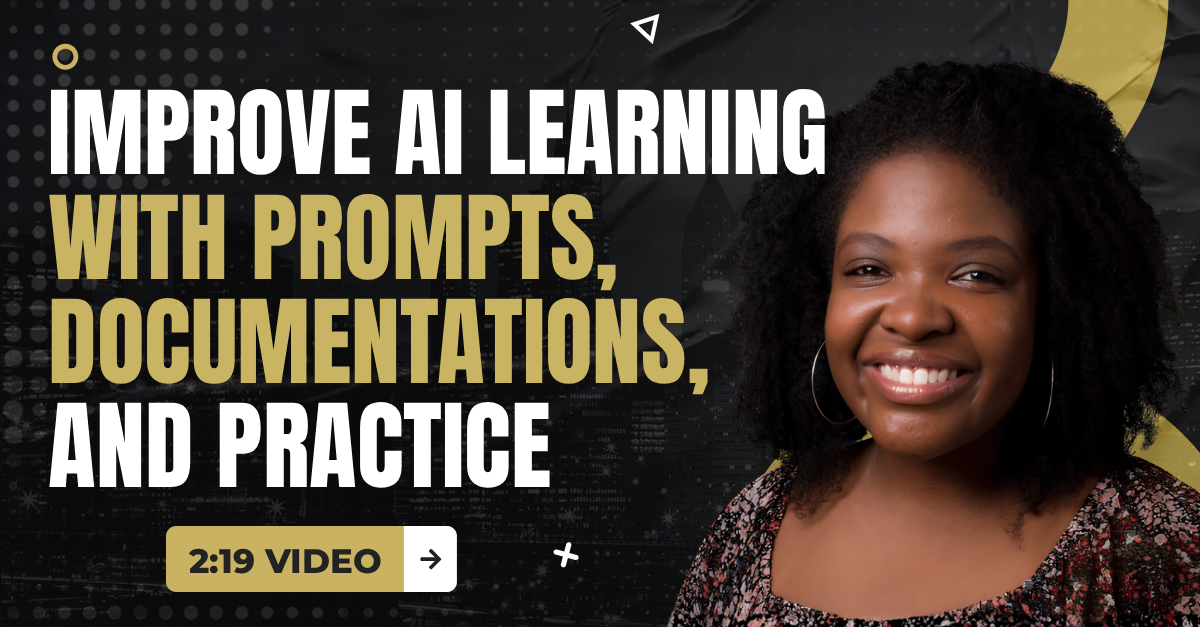
(2:19 Q&A Video) “Improve AI Learning With Prompts, Documentation, and Practice”
No Comments
Uncategorized
In this 2:19 video, Alysha McCree shares how her team learns to use AI through ongoing experimentation and peer teaching. They build documentation and prompt ...
Read More
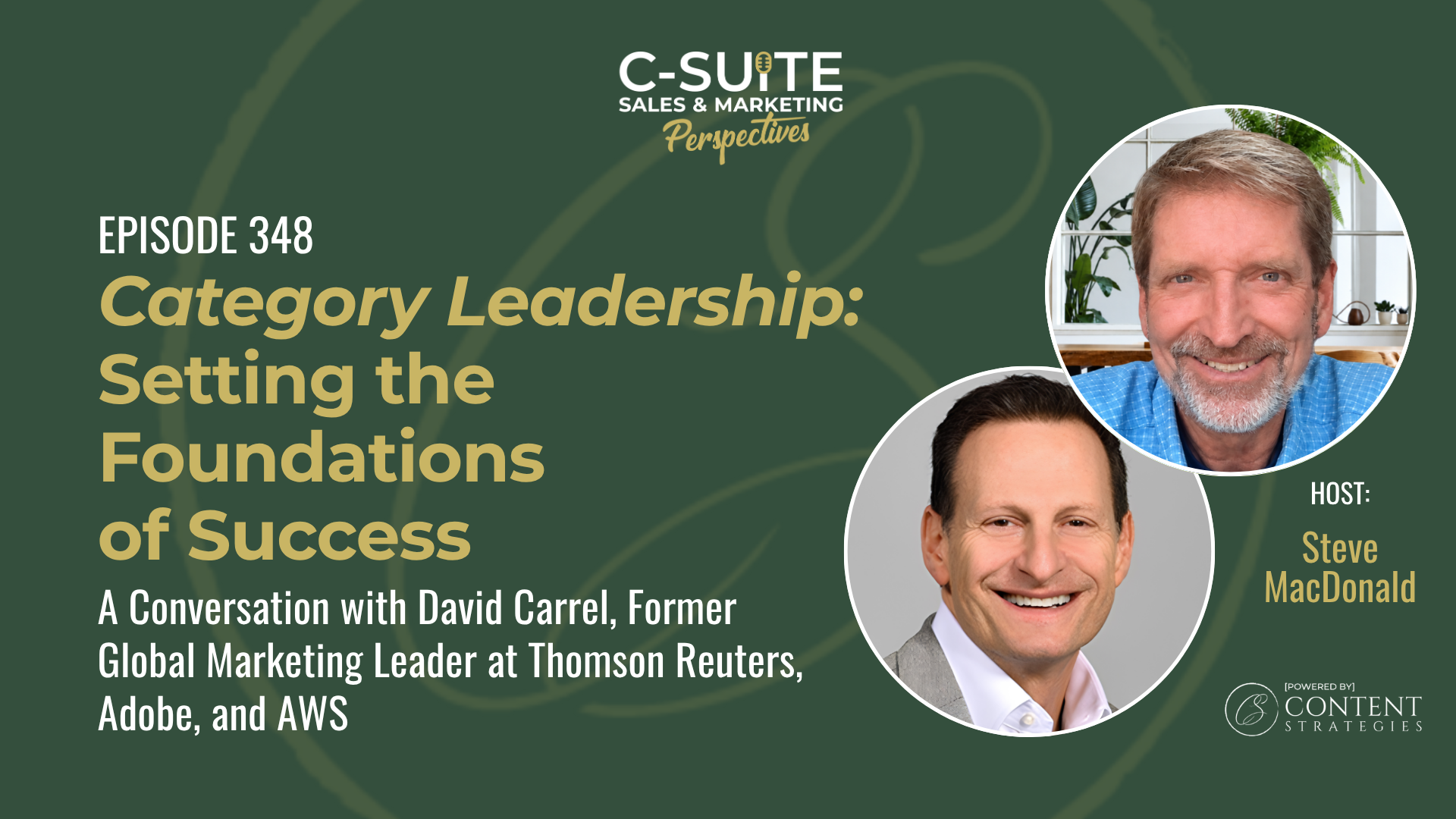
Category Leadership: Setting the Foundations of Success
No Comments
Uncategorized
Episode #348: David Carrel, Global Chief Marketing Officer at Thomson Reuters, explains how category leadership goes beyond thought leadership to shape how a market thinks. ...
Read More
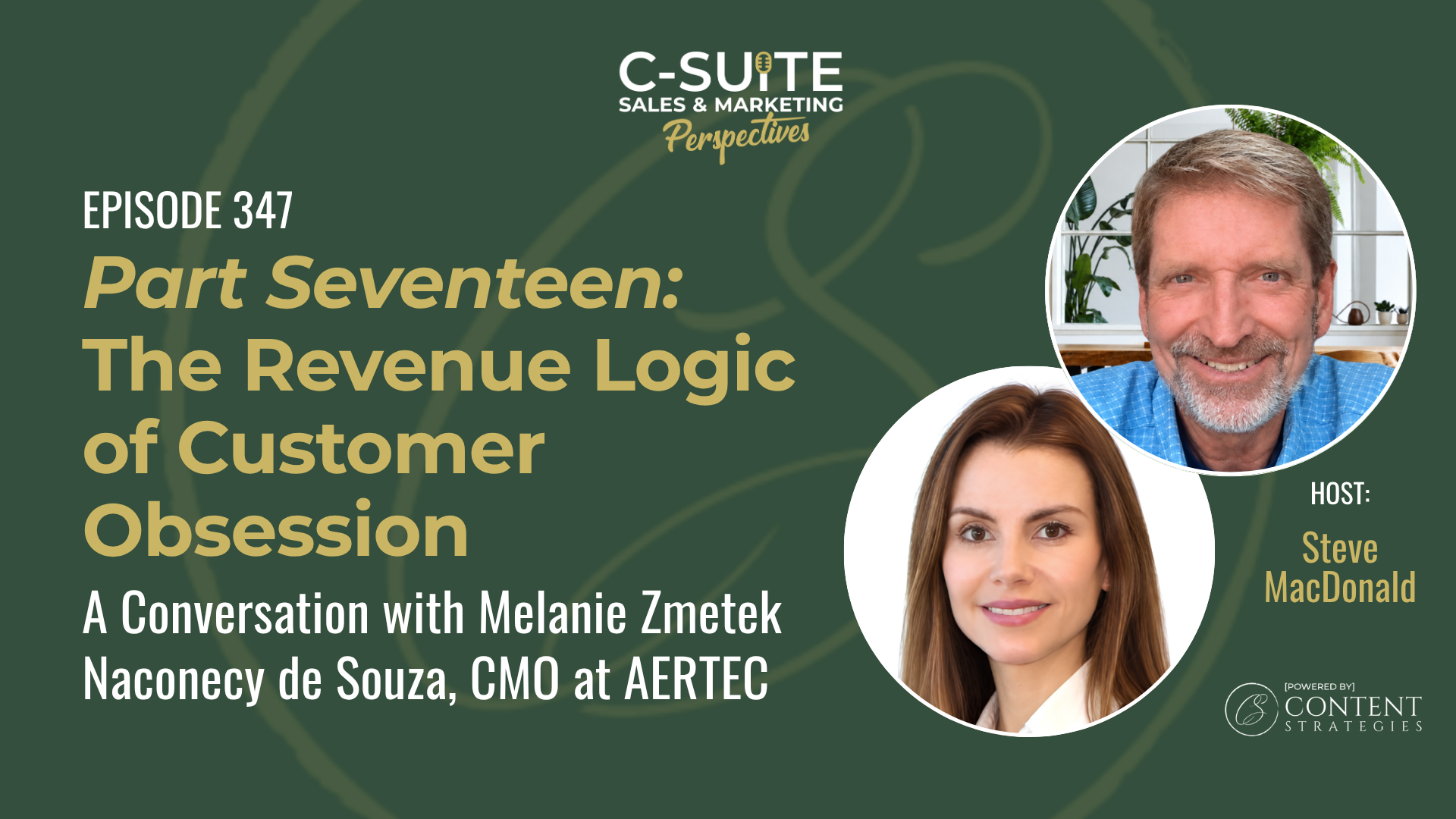
Part Seventeen: The Revenue Logic of Customer Obsession
No Comments
Uncategorized
Episode #347: Melanie Zmetek Naconecy de Souza, Chief Marketing Officer at AERTEC, explains why customer obsession begins with clarity. She shares how purpose, shared customer ...
Read More
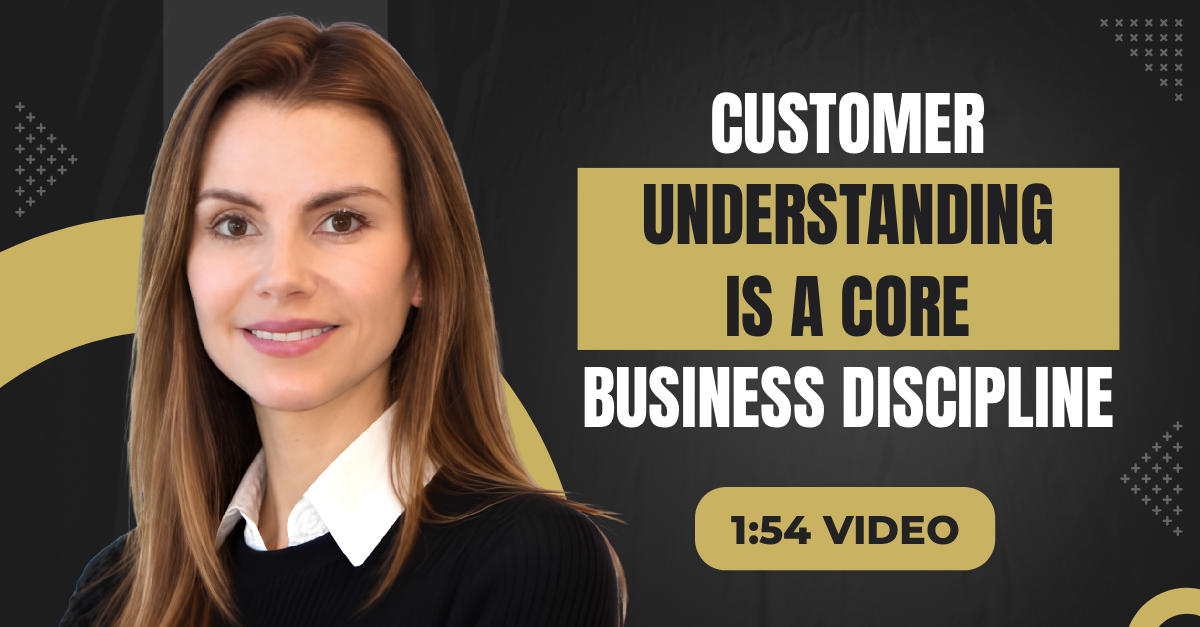
(1:54 Q&A Video) “Customer Understanding Is a Core Business Discipline”
No Comments
Uncategorized
In this 1:54 video, Melanie Zmetek Naconecy de Souza explains why B2B customer understanding must begin with people. She shares how buyers bring priorities, challenges, ...
Read More
The Growth Asset Most Companies Barely Use
No Comments
Uncategorized
Episode #346: Ashley Deibert, a three-time Chief Marketing Officer, explains why customers are one of the most valuable growth assets B2B companies often underuse. She ...
Read More