Jake Braly, CRO at Krisp, reflects on his transition from CMO to CRO, highlighting the need for strong alignment between marketing and sales teams. He stresses the importance of a unified understanding of target buyers and a focus on driving revenue growth. Jake also delves into how the role of marketing is evolving in B2B contexts and the significant impact content has on buyer decision-making.
In the world of B2B marketing, the role of the Chief Revenue Officer (CRO) is gaining prominence. This transition from Chief Marketing Officer (CMO) to CRO reflects a growing trend in organizations where revenue growth is the primary focus. In this article, we will delve into the insights shared by Jake Braly, CRO of Krisp, on the transition from CMO to CRO and what B2B CROs want from their CMOs. We will also explore the importance of content in driving revenue growth and sustaining a company’s success.
“It’s crucial to ensure that your success team, marketing team, sales team, inside sales, revenue operations, and enablement all share a common vision and ownership of goals, specifically revenue and growth.” – Jake Braly
Key Takeaways:
The transition from CMO to CRO involves taking ownership of marketing, sales, and customer support functions to drive revenue growth.
Alignment between marketing and sales teams is crucial for success, and it should be focused on the customer and market rather than just aligning the functions.
B2B CROs want their CMOs to contribute to revenue growth by providing a quality pipeline and supporting sales efforts.
The self-serve B2B buyer trend highlights the importance of content in attracting and engaging customers early in the decision-making process.
Brand experience is a critical touchpoint for customers and should be consistent across all interactions with the company.
Article: “From CMO to CRO: Marketing and Sales Alignment”
From a podcast interview with Jake Braly, Chief Revenue Officer at Krisp
The Alignment of Sales and Marketing
The alignment of sales and marketing is crucial for revenue growth in B2B organizations. While there may be some tension and friction between these two functions, the key is to align them with a shared understanding of the target market and common revenue goals. Jake emphasizes that the focus should not be on aligning the functions with each other but rather aligning them with the customer and the market. This outside-in approach ensures that all teams are working towards the same objective of revenue growth.
He highlights the importance of shared ownership and accountability for revenue growth across the sales, marketing, and customer success teams. This alignment requires a clear understanding of the target buyers and their pain points, as well as a coordinated effort to drive adoption and expansion within existing customer accounts. By focusing on the highest potential accounts and aligning resources accordingly, organizations can maximize their revenue growth.
The Role of the CMO in Revenue Growth
B2B CROs expect their CMOs to contribute to revenue growth by driving quality pipeline and supporting the sales team. While there may be a tension between short-term lead generation and long-term brand building, Jake emphasizes the importance of both. He believes that today’s brand is tomorrow’s demand, and organizations need to invest in building brand awareness and thought leadership to attract and engage potential buyers.
He suggests that CMOs should not only focus on lead generation but also consider the entire customer journey. This includes providing air cover through advertising and top-of-funnel messaging, as well as ensuring a consistent brand experience across all touchpoints. By aligning marketing efforts with revenue goals and focusing on the customer’s needs, CMOs can contribute to the overall growth and sustainability of the company.
The Importance of Content in Revenue Growth
In the self-serve B2B buyer trend, where buyers are consuming more content before engaging with sales, the role of content becomes even more important. Jake highlights the need for content that goes beyond product marketing and focuses on solving the buyer’s problems and providing valuable insights. He believes that content plays a vital role in driving revenue growth and sustaining a company’s success.
He draws attention to the different types of content, including top-of-funnel thought leadership content and bottom-of-funnel sales-specific content. He emphasizes the importance of aligning content with the buyer’s journey and ensuring that it addresses their pain points and provides valuable solutions. By providing valuable content throughout the customer journey, organizations can establish themselves as trusted advisors and differentiate themselves from the competition.
Conclusion
The transition from CMO to CRO reflects the growing trend in B2B organizations where revenue growth is the primary focus. B2B CROs expect their CMOs to contribute to revenue growth by driving quality pipeline and supporting the sales team. This requires alignment between sales and marketing, a focus on the customer’s needs, and a strategic approach to content creation. By aligning resources, focusing on the highest potential accounts, and providing valuable content throughout the customer journey, organizations can drive revenue growth and sustain their success in the competitive B2B market.
ELEVATING CONTENT MARKETING STANDARDS RAISES A CRUCIAL QUESTION: Why shouldn’t the very act of creating thought leadership content also spark new conversations with in-pipeline deals, top prospects, and high-priority customers for revenue expansion? Or serve as the cornerstone for learning and applying voice-of-customer strategies? That’s the power of ABM Podcasting—engaging B2B buyers and customers in meaningful conversations that uncover essential go-to-market insights, support long sales cycles, reinforce your market perspective, build peer-level trust, and dismantle objections that kill deals.
Steven MacDonald is the founder of Content Strategies, CEO of a MarTech SaaS Company, fractional CMO consulting with leading B2B companies and former Director of Strategy and Client Service at top ten digital marketing agencies.
Steven MacDonald is the founder of Content Strategies, CEO of a MarTech SaaS Company, fractional CMO consulting with leading B2B companies and former Director of Strategy and Client Service at top ten digital marketing agencies.
Episode #349: Alysha McCree, Head of Marketing at FPT Americas, explains why simply claiming AI leadership no longer sets a company apart. She shares how ...
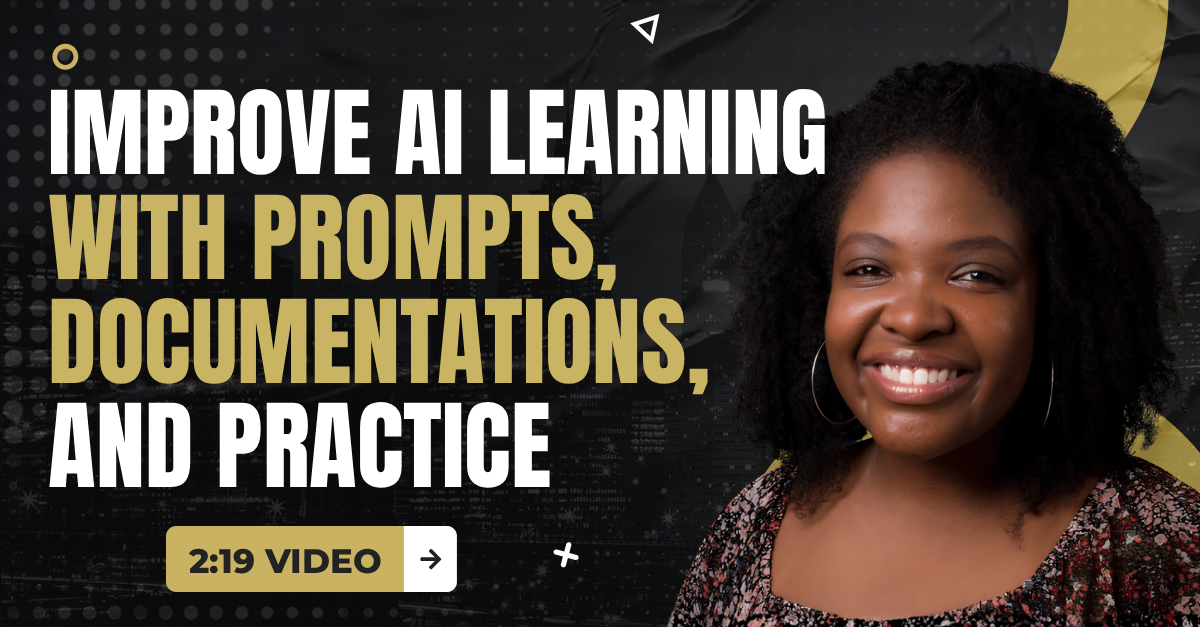
In this 2:19 video, Alysha McCree shares how her team learns to use AI through ongoing experimentation and peer teaching. They build documentation and prompt ...
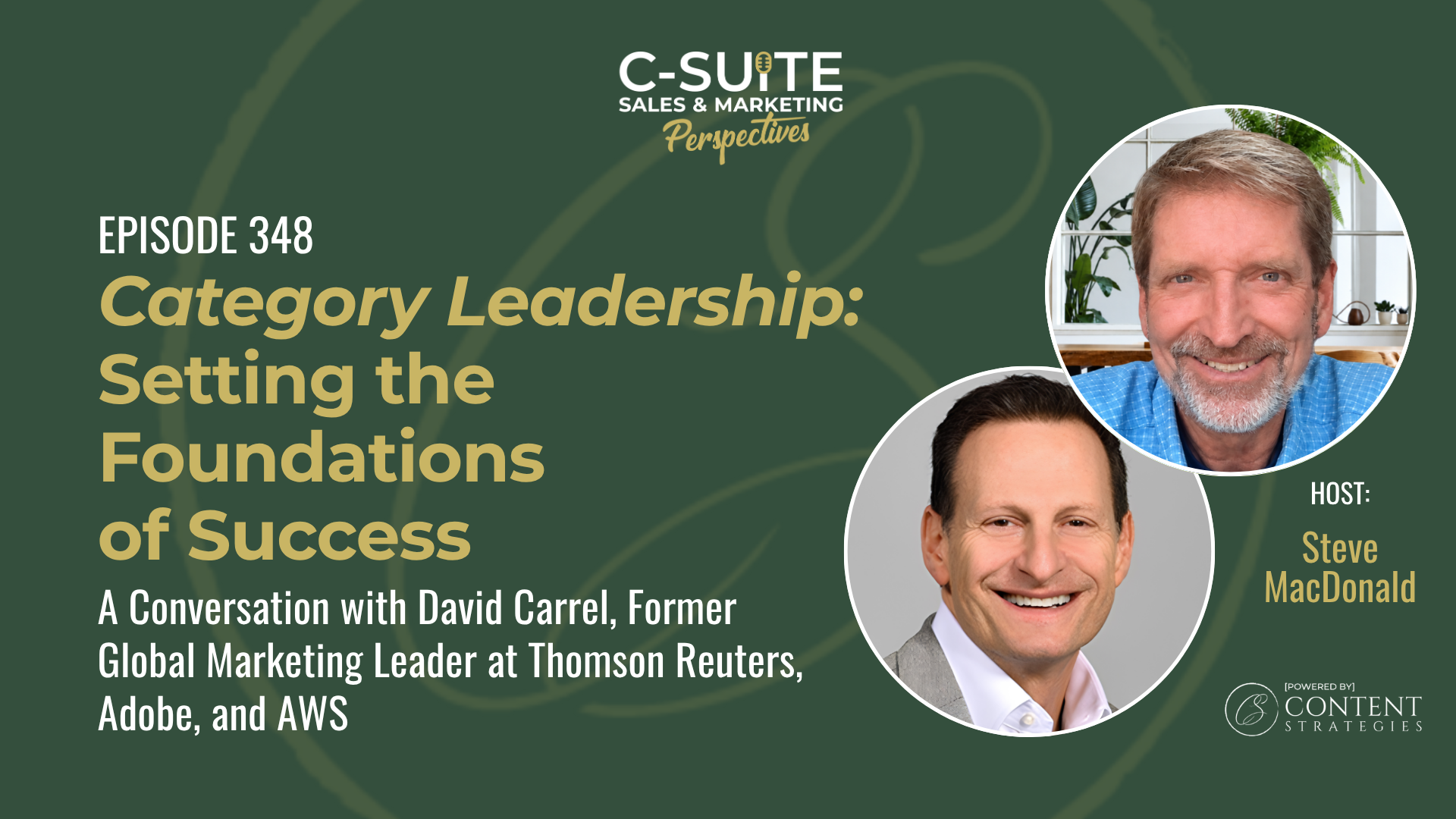
Episode #348: David Carrel, Global Chief Marketing Officer at Thomson Reuters, explains how category leadership goes beyond thought leadership to shape how a market thinks. ...
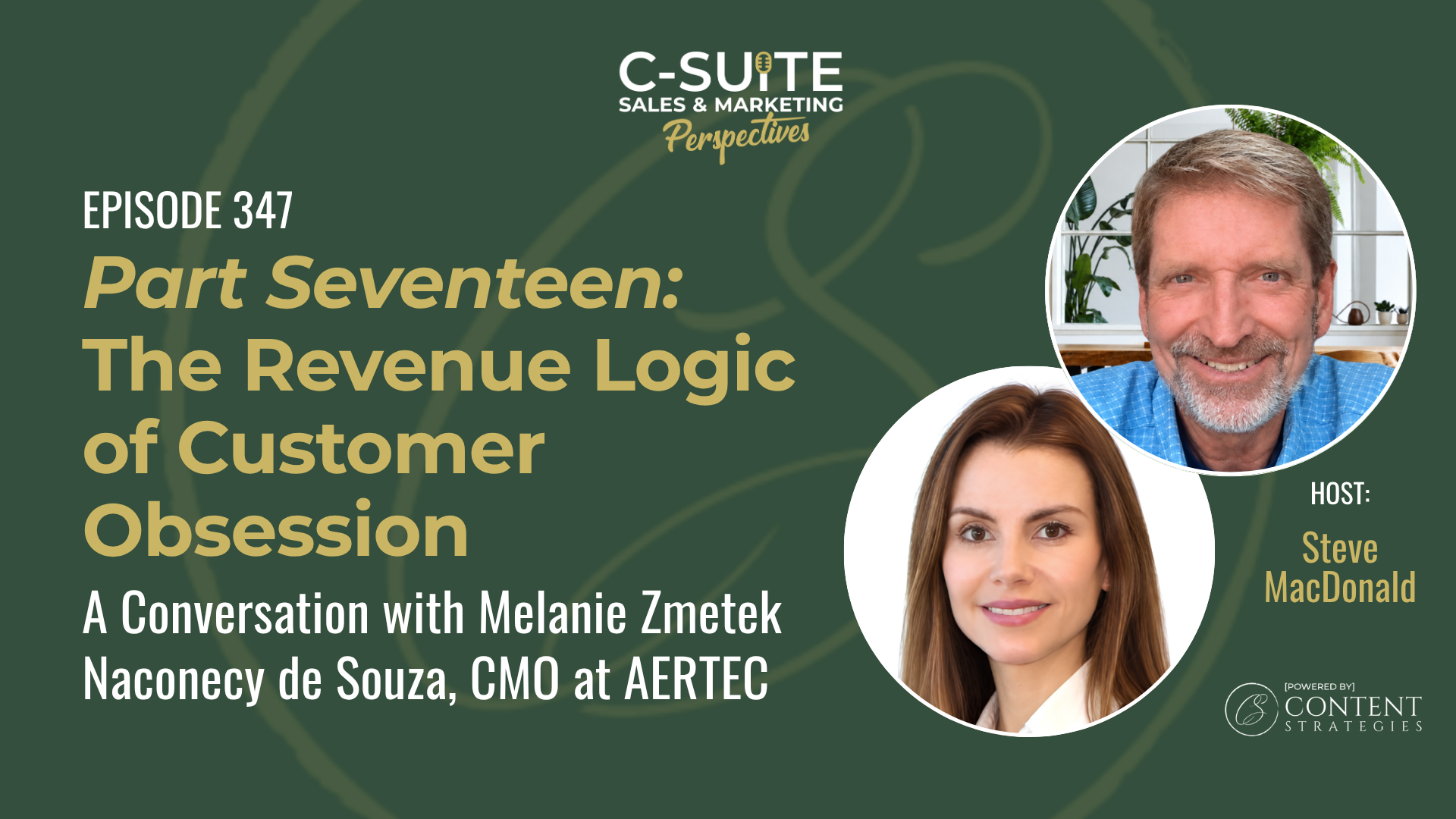
In this 1:54 video, Melanie Zmetek Naconecy de Souza explains why B2B customer understanding must begin with people. She shares how buyers bring priorities, challenges, ...
Episode #346: Ashley Deibert, a three-time Chief Marketing Officer, explains why customers are one of the most valuable growth assets B2B companies often underuse. She ...