From CMO to CEO: The Power of Authentic Leadership
Jolene Abbott, Founder and Fractional CMO at UltraViolet Consulting, shares her journey from CMO to CEO, emphasizing the critical role of a strong company culture. Drawing from her startup experience, she highlights the importance of defining company values, building robust vendor relationships, and empowering team members to thrive.
In this article, Jolene Abbott shares insights into her career trajectory, transitioning from CMO to CEO, and the importance of establishing a strong company culture. From her experience in the startup world to leading a team and fostering a positive work environment, Jolene’s journey is filled with valuable lessons for aspiring leaders. This article delves into the significance of defining company values, building strong relationships with vendors, and empowering team members to thrive.
“My team knows that I’m there and not just giving lip service. I’m here to help. At the end of the day, as leaders, we are there to serve the company and our team.” – Jolene Abbott
Key Takeaways:
Transitioning from CMO to CEO requires dedication, time investment, and a deep commitment to building a strong company culture.
Defining and living by clear company values is essential for fostering a positive work environment and driving team success.
Empowering team members to take ownership, solve problems, and thrive in their roles can lead to a more cohesive and productive organization.
Incorporating real-life scenarios and examples to illustrate company values can help align team members and enhance collaboration.
Prioritizing team development and mentorship can lead to a more engaged, motivated, and high-performing workforce.
Article: “From CMO to CEO: The Power of Authentic Leadership”
From a podcast interview with Jolene Abbott, Founder and Fractional CMO at UltraViolet Consulting
Defining Company Culture
The foundation of a successful organization lies in its culture. It is not just a buzzword but a guiding principle that shapes how employees interact and work together. Jolene discussed the importance of defining and living out company culture. By clearly defining values and mission, organizations can set the tone for behavior and decision-making. As Jolene rightly pointed out, culture is not just about what looks good on paper; it’s about how those values are lived out in a company’s day-to-day operations.
She stressed the need for organizations to conduct regular audits of their culture, ensuring that all team members are aligned with the values and understand what they mean in practice. Involving employees in these discussions can help create a more inclusive and authentic culture that resonates with everyone in the organization.
Building Trust and Transparency
One of the critical pillars of a strong company culture is trust and transparency. Jolene highlighted the importance of open communication and creating a safe space for team members to voice their opinions and concerns. By holding regular office hours and encouraging team members to share their thoughts and ideas, leaders can foster a culture of collaboration and mutual respect.
Her anecdotes about empowering team members and mentoring them to grow in their roles underscored the significance of investing in people. By building strong relationships and nurturing talent within the organization, leaders can create a supportive environment where employees feel valued and motivated to excel.
The Impact on Organizational Success
Jolene’s insights shed light on how investing time and effort in developing a positive company culture can directly impact organizational success. Leaders can create a dynamic and high-performing team aligned with the company’s goals and values by prioritizing team development and building a culture of trust and transparency.
Her approach to treating vendors as integral members of the team rather than external entities illustrates the power of collaboration and partnership in driving business outcomes. When everyone is working towards a common goal and feels valued and supported, the results are seen in individual performance and the organization’s overall success.
Conclusion
Jolene Abbott’s journey as a CMO transitioning into a more complex leadership role is a testament to the transformative power of a strong company culture. By redefining culture, fostering trust and transparency, and investing in team development, organizations can create a thriving environment where employees and the company can flourish.
Remember, company culture is not just a buzzword; it’s the heartbeat of an organization that guides actions, decisions, and interactions. Take the time to define, nurture, and live out your values to create a workplace where everyone can thrive and achieve their full potential.
ELEVATING CONTENT MARKETING STANDARDS RAISES A CRUCIAL QUESTION: Why shouldn’t the very act of creating thought leadership content also spark new conversations with in-pipeline deals, top prospects, and high-priority customers for revenue expansion? Or serve as the cornerstone for learning and applying voice-of-customer strategies? That’s the power of ABM Podcasting—engaging B2B buyers and customers in meaningful conversations that uncover essential go-to-market insights, support long sales cycles, reinforce your market perspective, build peer-level trust, and dismantle objections that kill deals.
Steven MacDonald is the founder of Content Strategies, CEO of a MarTech SaaS Company, fractional CMO consulting with leading B2B companies and former Director of Strategy and Client Service at top ten digital marketing agencies.
Steven MacDonald is the founder of Content Strategies, CEO of a MarTech SaaS Company, fractional CMO consulting with leading B2B companies and former Director of Strategy and Client Service at top ten digital marketing agencies.
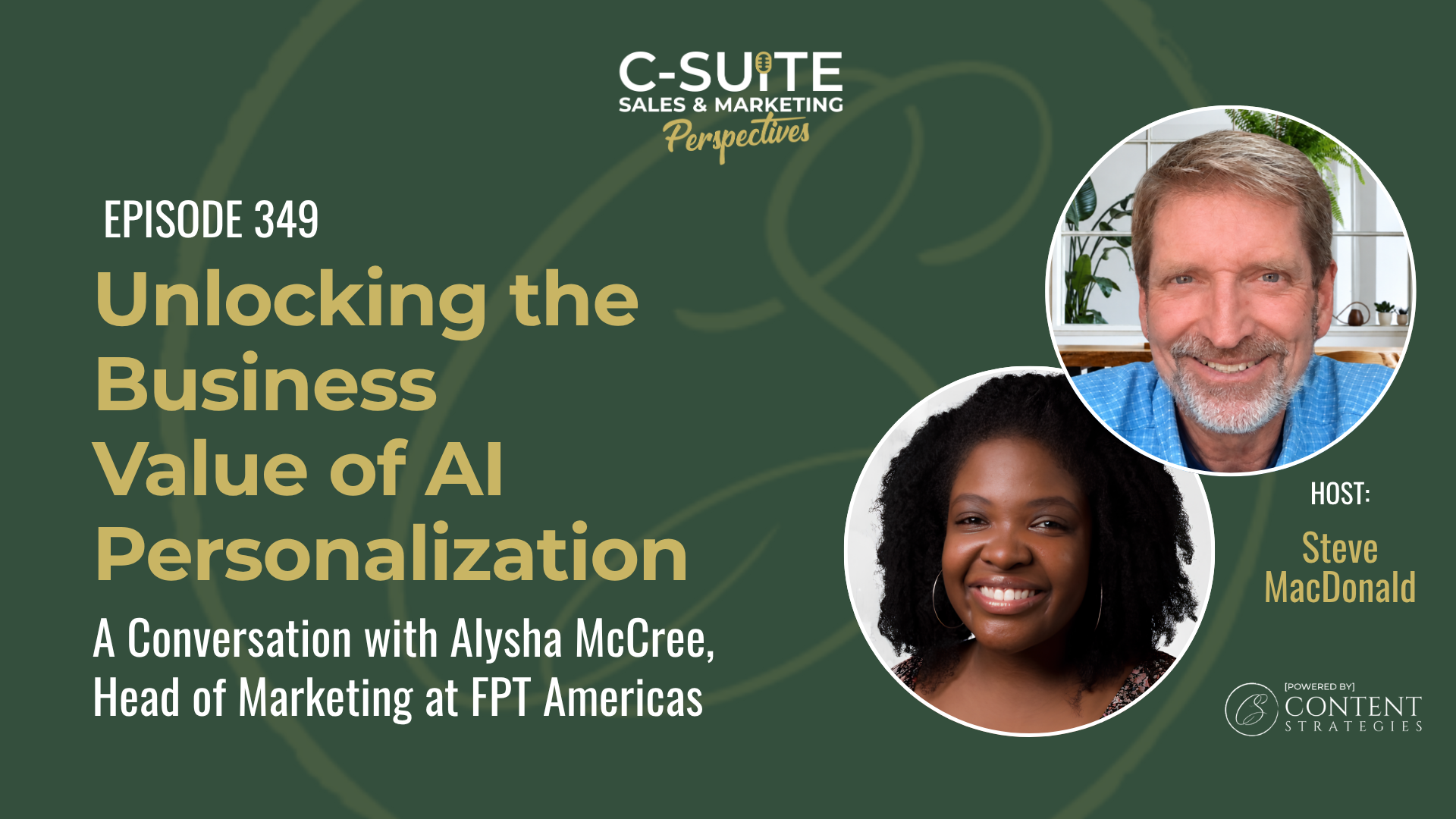
Episode #349: Alysha McCree, Head of Marketing at FPT Americas, explains why simply claiming AI leadership no longer sets a company apart. She shares how ...
In this 2:19 video, Alysha McCree shares how her team learns to use AI through ongoing experimentation and peer teaching. They build documentation and prompt ...
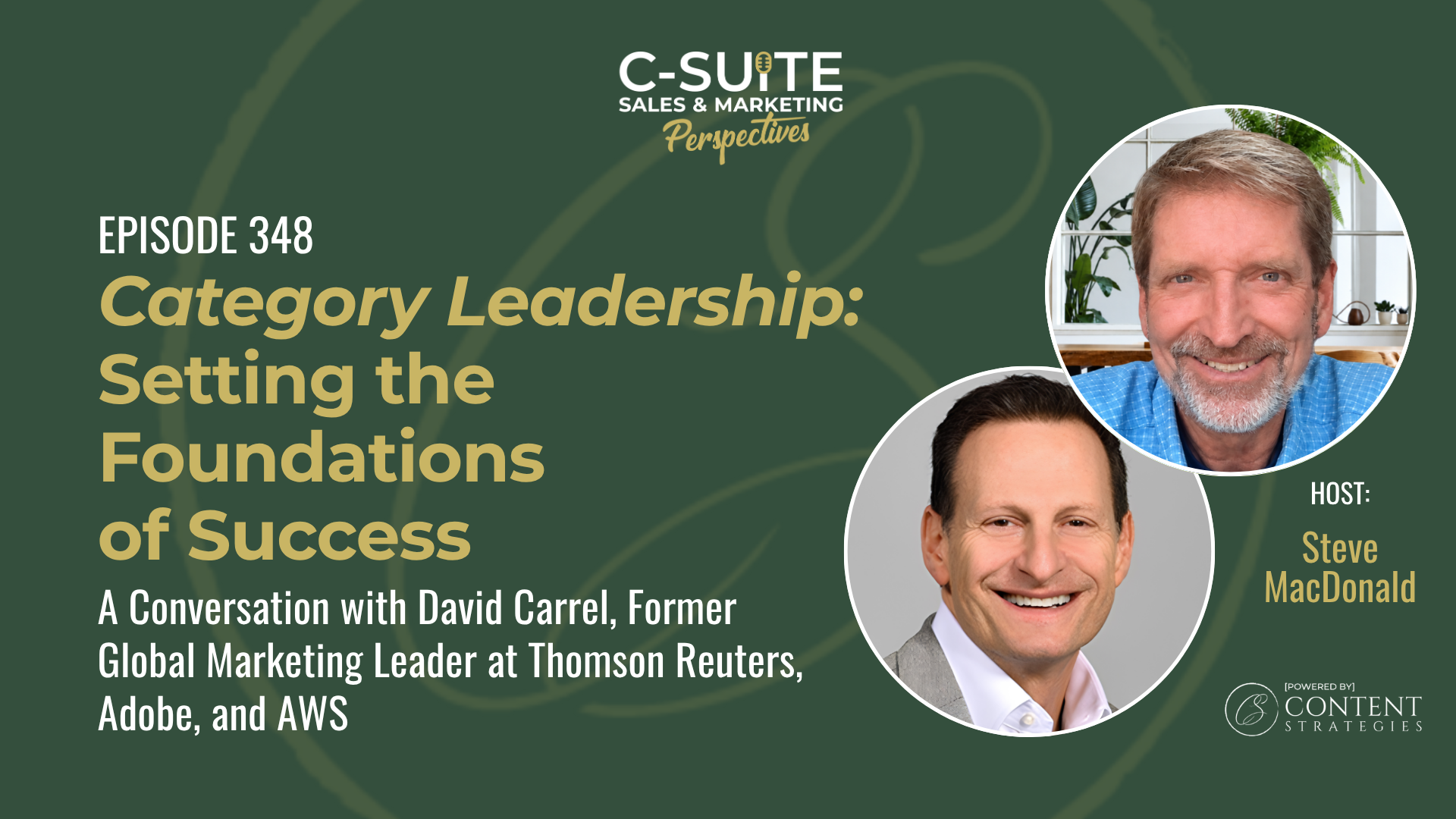
Episode #348: David Carrel, Global Chief Marketing Officer at Thomson Reuters, explains how category leadership goes beyond thought leadership to shape how a market thinks. ...
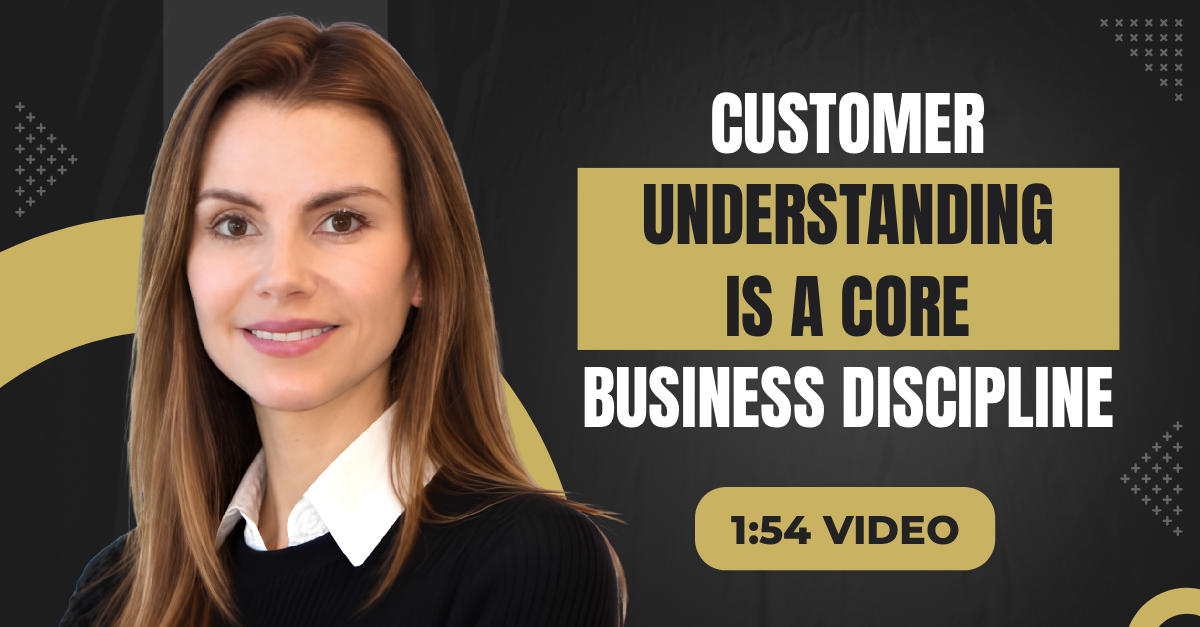
In this 1:54 video, Melanie Zmetek Naconecy de Souza explains why B2B customer understanding must begin with people. She shares how buyers bring priorities, challenges, ...
Episode #346: Ashley Deibert, a three-time Chief Marketing Officer, explains why customers are one of the most valuable growth assets B2B companies often underuse. She ...