CMOs: How to Forecast for your CFO with Confidence
Marie-Laure Carvalho, CMO at Portnox, discussing how Chief Marketing Officers can effectively forecast with confidence for their CFOs. She emphasizes the significance of fostering relationships within the C-suite, especially between CMOs and CFOs, given marketing’s role as a substantial cost center.
In this article, Marie-Laure Carvalho shares her expertise on being highly pipeline-focused and revenue-driven, which she believes extends beyond just generating leads. Her proactive approach to understanding every aspect of the sales funnel, from analyzing data to projecting revenue, sets her apart. Highlighting the importance of collaboration and trust among C-suite executives, Marie-Laure sheds light on how integrated planning and detailed forecasting can lead to more informed decision-making and resource allocation.
“As CMOs, we need to ensure that the funnel is defined and quickly aligned with the CRO because we must be on the same page when discussing pipeline opportunities, closed deals, or the steps required to achieve them.” – Marie-Laure Carvalho
Key Takeaways:
Building trust and credibility with C-suite executives is crucial for a CMO, and this can be achieved through accurate pipeline forecasting and revenue insights.
Embrace the revenue side of the equation by understanding the entire pipeline and not just focusing on marketing-contributed leads.
Collaborate closely with the CRO and CFO to ensure alignment on goals and forecast assumptions.
Utilize past performance to refine forecasting models and improve accuracy over time.
Proactively involve the C-suite in discussions about resource allocation and expected outcomes to maintain transparency and trust.
Accurate forecasting is a crucial skill for CMOs, especially when aligning with the C-Suite. Effective communication of pipeline predictions and revenue expectations enables marketing leaders to influence key decisions, such as resource allocation. Trust within the executive team, particularly with the CFO, is essential since marketing is often a major cost center. Establishing credibility through a data-driven approach to forecasting can strengthen this trust.
CMOs need to dive deep into metrics, analyzing past performance and setting realistic, data-backed expectations to foster a transparent relationship with the CFO. Understanding factors like sales team dynamics, including new hires and turnover, plays a significant role in shaping accurate forecasts. This detailed approach ensures that budget justifications are clear and credible, improving alignment with overall business goals.
Embracing Revenue Accountability
CMOs should go beyond traditional pipeline metrics and take full responsibility for revenue accountability. This approach minimizes the reliance on complex attribution models, focusing instead on tangible contributions to the bottom line. It involves examining contributions from all channels, including outbound efforts and channel partners, and taking ownership of the entire revenue forecast. This helps present a cohesive narrative that resonates with leadership, such as the CFO and CEO.
By adopting this level of accountability, CMOs can ensure transparency in assumptions and openly share data, even when outcomes aren’t favorable. Continuous learning through reviewing past forecasts and refining models based on accuracy builds trust and credibility. This method allows marketing leaders to confidently align their strategies with broader business objectives, enhancing collaboration within the C-suite.
Collaborative Forecasting and Strategic Adjustments
Collaboration across the C-Suite, especially between key executives, is essential for CMOs to align their forecasts with broader business goals. By working closely with counterparts, CMOs can ensure transparency and refine assumptions, drawing on the expertise of others to create more accurate and well-rounded projections. This collaborative approach ensures all parties are in sync, driving a unified strategy.
The ability to adapt strategies based on these forecasts is equally important. For instance, shifts in the sales team’s capacity, such as new hires or structural changes, require adjustments in marketing efforts to maintain a healthy pipeline. This agility ensures that both marketing and sales remain aligned, optimizing performance across the board.
Learning from Successes and Missteps
Constant learning and adaptation are essential for effective forecasting. Regular reviews of how forecasts compare to actual results can highlight areas for improvement, enabling more accurate predictions in the future. While forecasting models may change, the key principle is staying closely aligned with sales dynamics and maintaining open communication across teams.
By fostering transparency and an iterative learning process, CMOs can better guide their teams and align with broader organizational goals. This approach strengthens the role of marketing within the company and enhances the strategic influence of the CMO.
Conclusion
In conclusion, confident forecasting is less about having the most complex model and more about fostering continuous learning, open collaboration, and trust through data-driven communication. By adopting this approach, CMOs can have a significant impact on strategic decisions and elevate marketing’s role in revenue generation.
This deeper integration of marketing into the company’s strategy not only leads to better results but also ensures the CMO’s influence at the leadership level, reinforcing their value within the organization.
ELEVATING CONTENT MARKETING STANDARDS RAISES A CRUCIAL QUESTION: Why shouldn’t the very act of creating thought leadership content also spark new conversations with in-pipeline deals, top prospects, and high-priority customers for revenue expansion? Or serve as the cornerstone for learning and applying voice-of-customer strategies? That’s the power of ABM Podcasting—engaging B2B buyers and customers in meaningful conversations that uncover essential go-to-market insights, support long sales cycles, reinforce your market perspective, build peer-level trust, and dismantle objections that kill deals.
Steven MacDonald is the founder of Content Strategies, CEO of a MarTech SaaS Company, fractional CMO consulting with leading B2B companies and former Director of Strategy and Client Service at top ten digital marketing agencies.
Steven MacDonald is the founder of Content Strategies, CEO of a MarTech SaaS Company, fractional CMO consulting with leading B2B companies and former Director of Strategy and Client Service at top ten digital marketing agencies.
Episode #349: Alysha McCree, Head of Marketing at FPT Americas, explains why simply claiming AI leadership no longer sets a company apart. She shares how ...
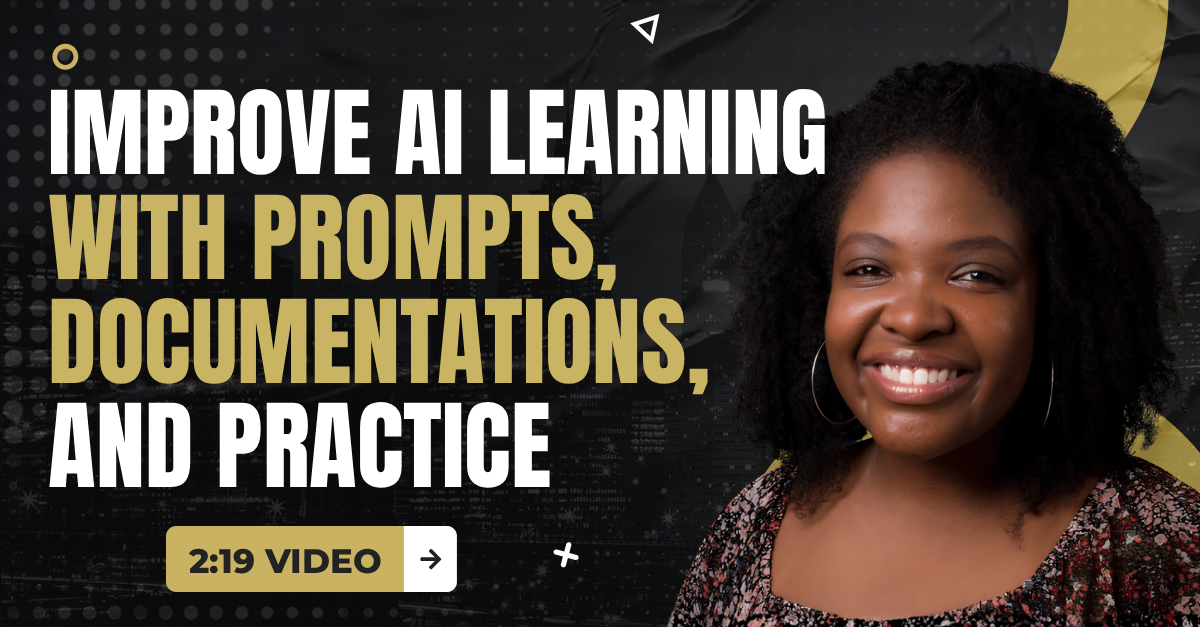
In this 2:19 video, Alysha McCree shares how her team learns to use AI through ongoing experimentation and peer teaching. They build documentation and prompt ...
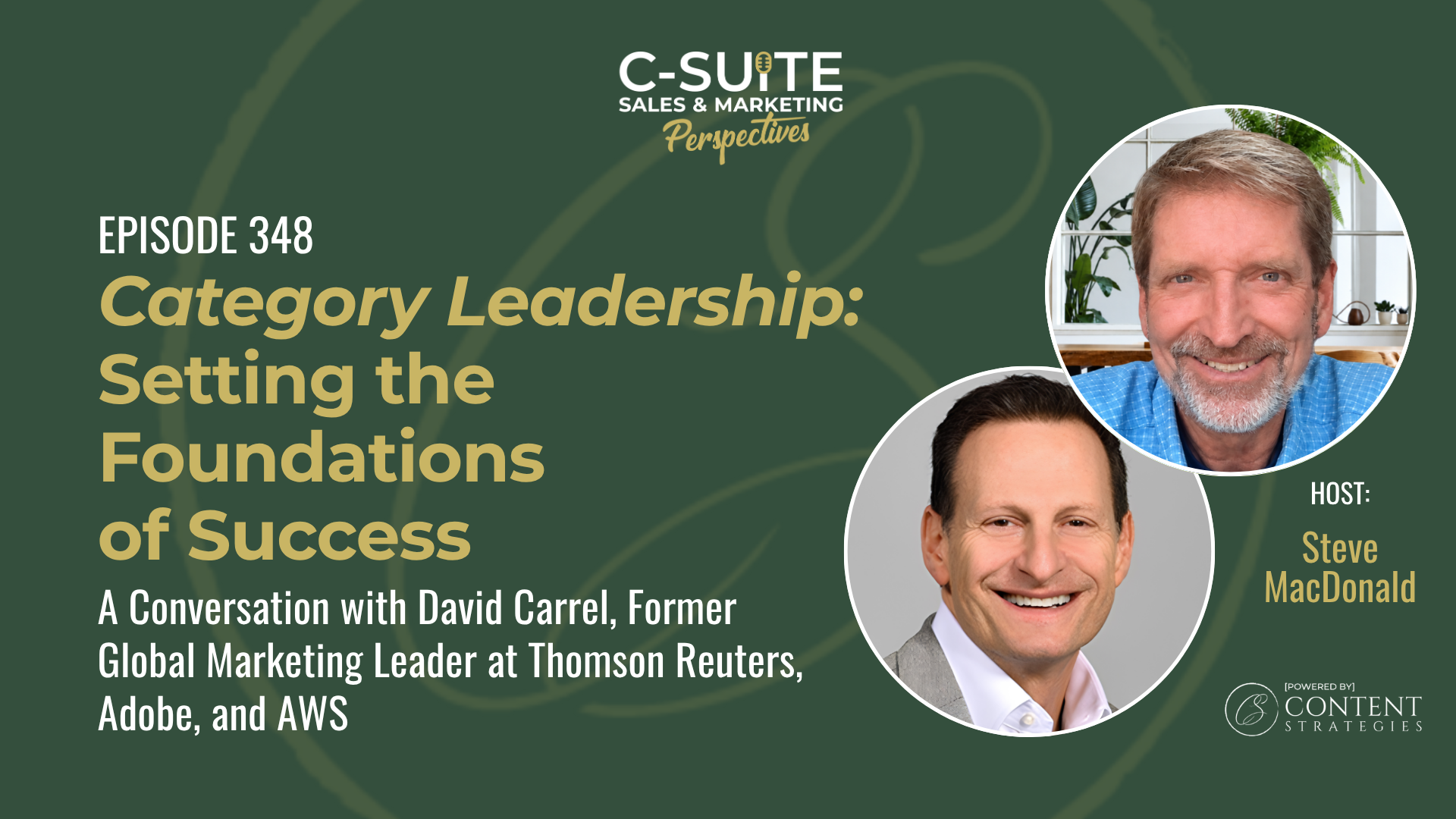
Episode #348: David Carrel, Global Chief Marketing Officer at Thomson Reuters, explains how category leadership goes beyond thought leadership to shape how a market thinks. ...
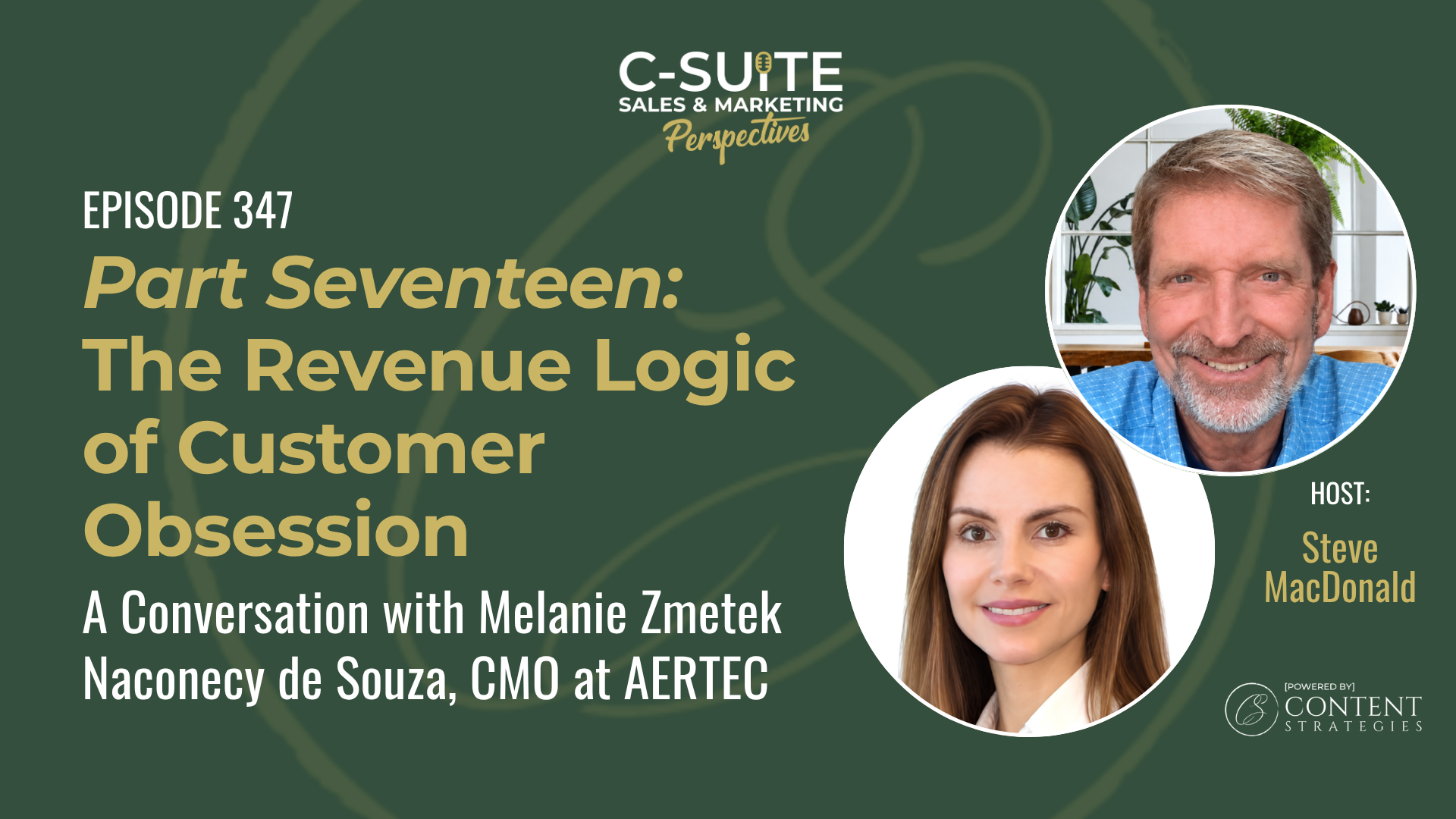
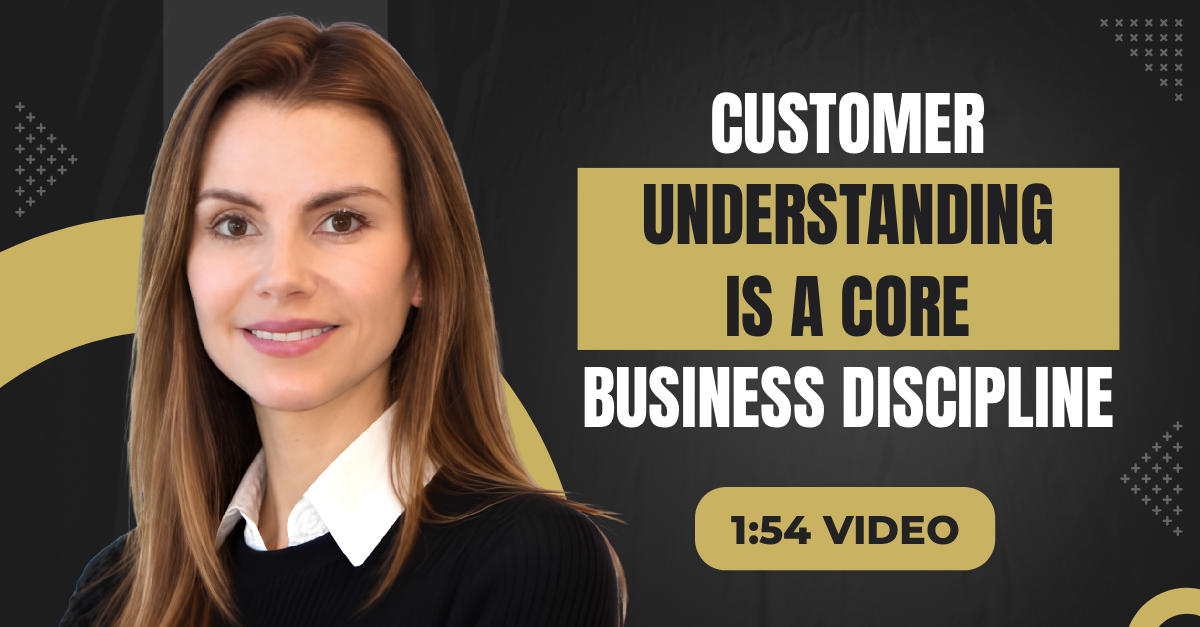
In this 1:54 video, Melanie Zmetek Naconecy de Souza explains why B2B customer understanding must begin with people. She shares how buyers bring priorities, challenges, ...
Episode #346: Ashley Deibert, a three-time Chief Marketing Officer, explains why customers are one of the most valuable growth assets B2B companies often underuse. She ...