

(2:04 Q&A Video) “Building Customer Obsession Through Influencer-Led Communities”
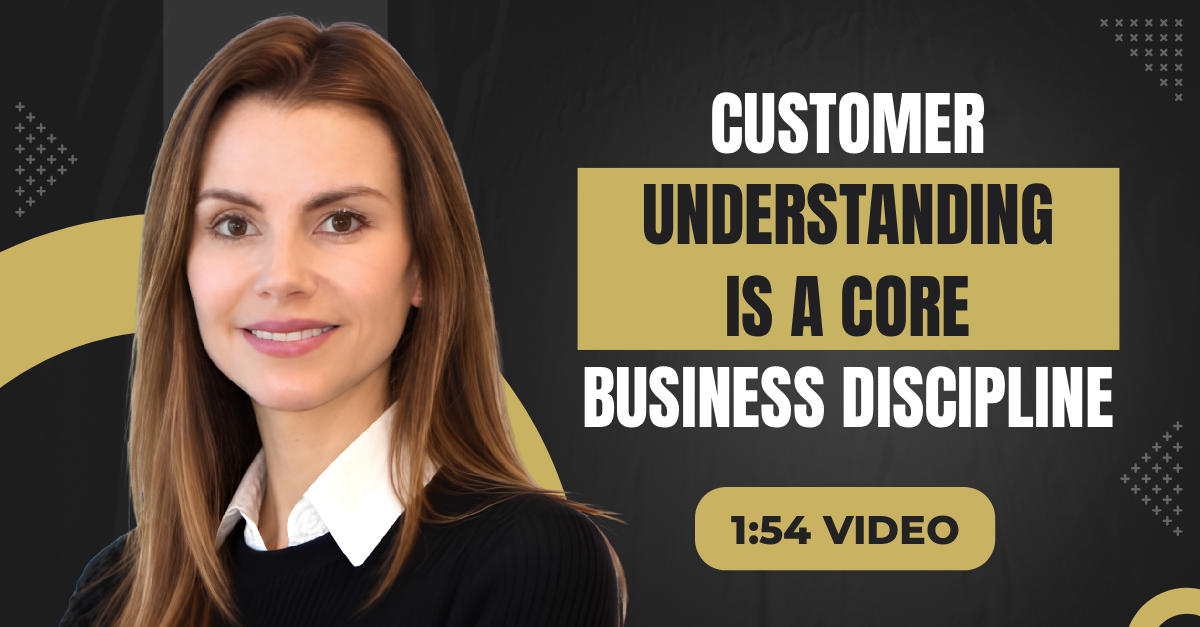
In this 2:04 video, Cristy Garcia explains why customer obsession requires more than completing a transaction. Influencers can create communities where customers develop stronger connections, trust, and a sense of belonging around a brand. Cristy argues that B2B companies have an opportunity to use these communities more intentionally to strengthen customer relationships.
Customer obsession in B2B goes beyond completing a transaction. It develops when customers believe in a brand, trust it enough to refer others, and feel connected to a larger community around it. That connection can have important implications for growth because customer obsession strengthens the relationship between the company and the people it serves.
Cristy Garcia, Chief Marketing Officer at impact.com, believes influencer marketing can help companies create this deeper connection. Influencers can bring people together, create a sense of belonging, and give brands another way to communicate with their communities. For B2B companies, Cristy’s perspective highlights an opportunity to use community more intentionally to build customer obsession and support faster revenue growth.
“There’s a direct correlation between people feeling a part of a community, a part of a brand, and being considered customer-obsessed. Influencers play a role because they can actually show and create a sense of belonging, create a community of people who enjoy your brand.” – Cristy Garcia
To learn more, watch the 2:04 video or read the article below.
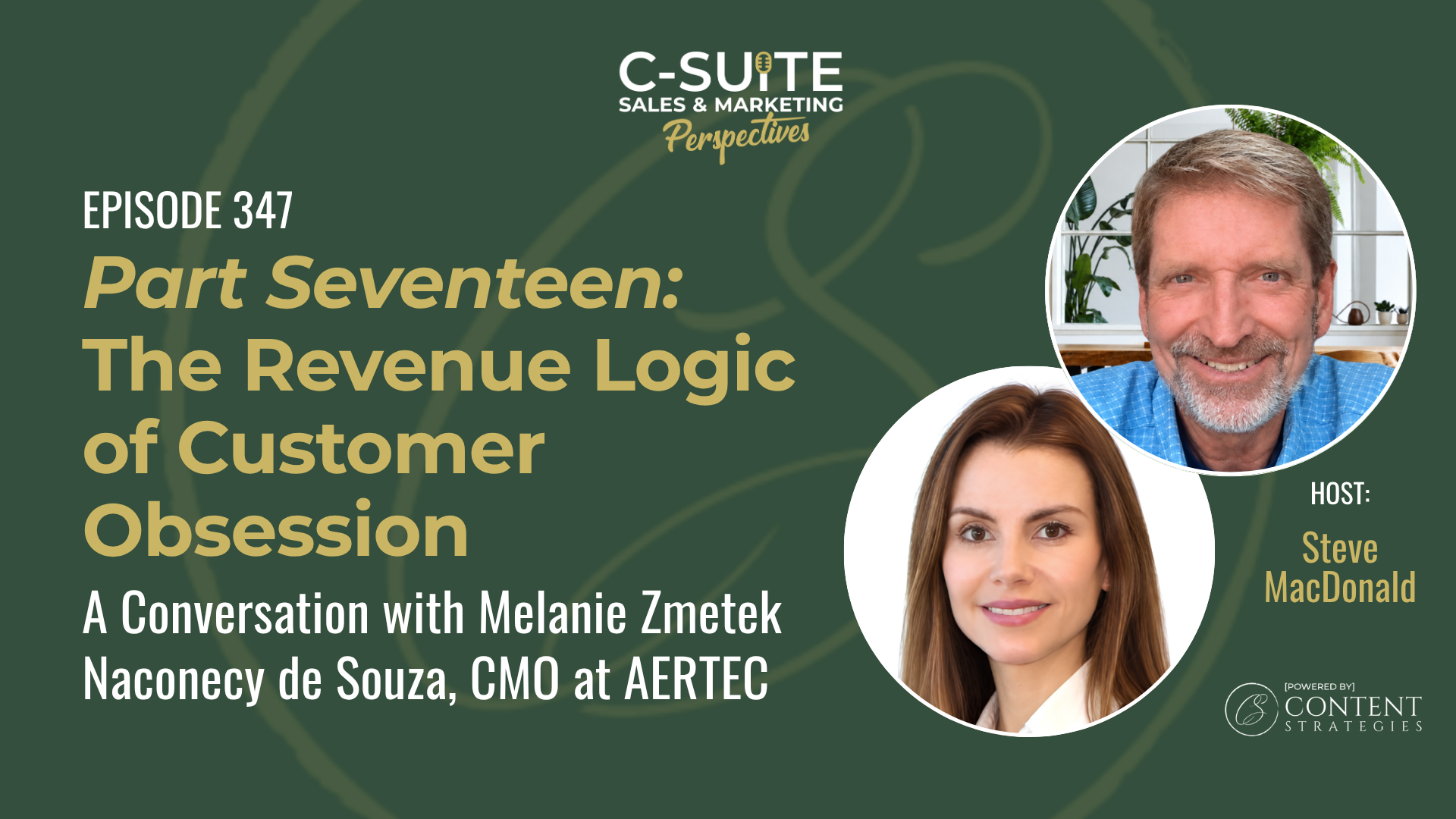
To catch the full interview with Cristy at Part Six: The Revenue Logic of Customer Obsession” CLICK HERE.
Article: "Building Customer Obsession Through Influencer-Led Communities”
This article is based on an interview with Cristy Garcia, Chief Marketing Officer at impact.com
Customer Obsession Requires More Than Transactions
Customer obsession begins with a relationship that extends beyond the initial transaction. Cristy makes this distinction directly when she says, “Customer obsession doesn’t happen because you have a transaction.” Simply completing a purchase does not mean someone believes in the company or feels strongly connected to it. The relationship becomes more meaningful when customers develop enough confidence in the brand to continue engaging with it and talking about it. This makes trust an important part of moving from a transactional relationship toward genuine customer obsession.
Cristy explains, “Customer obsession happens because you believe in a brand, you refer business to them because you trust them, and a brand has to show up in different ways to be considered customer-obsessed.” Her point connects customer obsession directly with belief, trust, and referrals. It also suggests that companies need to create more than one type of interaction with customers. For B2B leaders, customer obsession therefore requires consistently giving customers reasons to remain connected to the brand rather than treating the transaction as the end of the relationship.
Influencers Build Belonging Around Brands
Influencers can contribute to customer obsession by creating a stronger sense of belonging around a company. Cristy explains that “influencers play a role because they can show and create a sense of belonging, and build a community of people who enjoy your brand.” This changes the role of influencer marketing from simply communicating a message to helping people become part of something. The value comes from creating connections between the brand and a group of people who already have an interest in what that brand represents.
That sense of belonging can strengthen the relationship customers have with the company. Cristy explains, “Once you’re part of that community, you feel more connected to the brand, and therefore more likely to talk about them as if you know them.” This is an important distinction for B2B companies. A community gives people an opportunity to develop familiarity with the brand beyond individual transactions. As that connection strengthens, customers may become more comfortable talking about the company because their relationship with the brand feels more established and personal.
B2B Companies Can Use Community More Intentionally
Community is already receiving attention from B2B companies, but Cristy believes organizations have an opportunity to do more with it. She says, “I think that community, building that community piece, is something that B2B companies are talking about, but they’re probably not leveraging and using as much as they should.” Her observation suggests that recognizing the importance of community is different from actively using it to strengthen customer relationships. Companies need to create ongoing reasons for people to remain involved.
Cristy provides a straightforward description of what that can involve. “It’s about talking to this group and sharing new updates with them, and through influencers, that’s exactly what they do.” Influencers can therefore provide another way for companies to maintain communication with the people surrounding their brands. Cristy reinforces the connection by saying, “There’s a direct correlation between people feeling a part of a community, a part of a brand, and being considered customer-obsessed.” For B2B organizations, community can become a practical way to deepen connection while strengthening the customer-obsessed relationship.
Conclusion
Customer obsession is ultimately built through relationships rather than transactions. Customers need reasons to believe in a brand, trust it, remain connected to it, and feel comfortable referring business to it. Community can strengthen those relationships by creating a greater sense of belonging and giving people additional opportunities to engage with the brand.
Cristy also connects this approach to business growth, saying, “It doesn’t surprise me that customer-obsessed organizations generate faster revenue.” Influencer marketing can support that relationship by helping create communities and keeping those communities connected through ongoing communication and updates. As Cristy puts it, “I think influencer marketing plays a big role in that because they create that community.” For B2B leaders, the opportunity is to move beyond simply talking about community and start using it more intentionally to strengthen customer obsession, connection, and growth.
ELEVATING CONTENT MARKETING STANDARDS RAISES A CRUCIAL QUESTION:
Why shouldn’t the very act of creating thought leadership content also spark new conversations with in-pipeline deals, top prospects, and high-priority customers for revenue expansion? Or serve as the cornerstone for learning and applying voice-of-customer strategies? That’s the power of ABM Podcasting—engaging B2B buyers and customers in meaningful conversations that uncover essential go-to-market insights, support long sales cycles, reinforce your market perspective, build peer-level trust, and dismantle objections that kill deals.
Steven MacDonald
Steven MacDonald is the founder of Content Strategies, CEO of a MarTech SaaS Company, fractional CMO consulting with leading B2B companies and former Director of Strategy and Client Service at top ten digital marketing agencies.
Steven MacDonald
Steven MacDonald is the founder of Content Strategies, CEO of a MarTech SaaS Company, fractional CMO consulting with leading B2B companies and former Director of Strategy and Client Service at top ten digital marketing agencies.